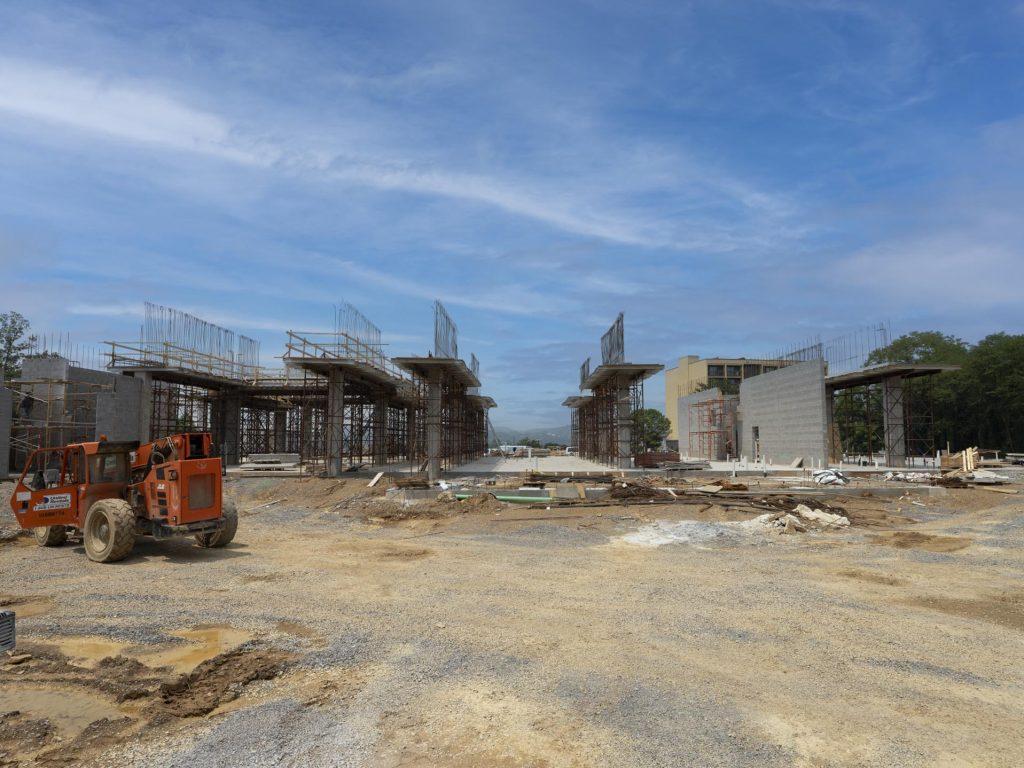
While concrete is the literal cornerstone of construction across Sevier County, it isn’t invincible. In the unique climate of the Smoky Mountains, where steep grade foundations face high moisture levels and varying soil chemistry, understanding what degrades your masonry is vital for long-term structural integrity. Whether you are breaking ground on a new commercial development in Sevierville or installing retaining walls in Gatlinburg, proactive material science is your best defense against premature failure.
If you are concerned about the longevity of your existing slabs or need to ensure your new mountain site preparation meets the highest durability standards, we invite you to discuss your site plan with our experts. You can reach the Sensible Concrete team at (865) 365-4086 or by Requesting a Proposal today to secure your investment.
Key Insights for Local Property Owners
- Chemical Vulnerability: Sulfates, chlorides, and even certain bacteria can cause deep structural “rot” in concrete.
- Environmental Factors: Hydrostatic pressure and freeze-thaw cycles in the Smokies accelerate chemical penetration.
- Protective Measures: Specialized coatings and air-entrainment are critical for mountain-grade concrete.
Technical Navigation
- Chemical Threats: Sulfates, Chlorides, and Acids
- Environmental Corrosion: Seawater and Silica Reactions
- Mitigation Strategies: Hydrophobic Impregnation and Coatings
- Structural Summary & Compliance
Chemical Threats: Sulfates, Chlorides, and Acids
On our job sites in Pigeon Forge, we’ve found that many owners underestimate the “invisible” enemies of concrete. Chemical damage often starts at a microscopic level before manifesting as spalling or cracking.
- Sulfates: Found in some East Tennessee soils, sulfates react with the hydrated compounds in the cement paste, leading to expansion and eventual disintegration.
- Chloride Attack: Primarily a concern near roadways or in commercial parking garages where de-icing salts are used, chlorides penetrate the slump and reach the reinforcing steel, causing internal rust and “jacking.”
- Calcium Leaching: Soft mountain water can actually leach calcium hydroxide from the concrete, increasing porosity and reducing the overall PSI strength of the structure.
Environmental Corrosion: Seawater and Silica Reactions
While we are far from the ocean, the principles of seawater damage apply to local commercial concrete footers exposed to aggressive groundwater. Furthermore, the Alkali-Silica Reaction (ASR) is a significant concern. This occurs when the silica in certain aggregates reacts with the alkalis in the cement in the presence of water, creating a gel that swells and fractures the concrete from the inside out.
High hydrostatic pressure on steep grade foundations in the Smoky Mountains can force these reactive elements deeper into the slab, making proper drainage and site preparation non-negotiable for East Tennessee builds.
Mitigation Strategies: Hydrophobic Impregnation and Coatings
Thankfully, modern engineering provides several ways to “armor” your concrete. At Sensible Concrete, we utilize advanced methods to extend the lifecycle of every pour:
- Air-Entrainment: Incorporating microscopic air bubbles to allow for expansion, protecting the concrete from the harsh freeze-thaw cycles of the Smokies.
- Hydrophobic Impregnation: A treatment that renders the concrete surface water-repellent, preventing chemicals like chlorides from entering the pores.
- Specialized Coatings: Formulas such as Hychem TL9 or high-build acrylic coatings provide a sacrificial barrier against acidic rain and industrial chemicals.
- Re-alkalisation: A process used during restoration to restore the high pH levels necessary to protect internal rebar from corrosion.
Structural Summary & Project Closeout
Concrete is an incredibly resilient material, but it is not “set and forget.” Once structural compromise reaches a certain threshold, the only solution is a full tear-out and replacement. By selecting the right mix design and protective treatments during the initial mountain site preparation, you ensure your project passes the final inspection and stands for decades.
Professional Compliance & Standards
Our work adheres to the rigorous standards set by the following governing bodies to ensure safety and longevity in the Sevier County region:
- American Concrete Institute (ACI): Guidelines for chemical resistance and mix proportions (ACI 318).
- International Building Code (IBC): Standards for structural integrity and foundation requirements.
- Sevier County Planning Department: Local codes specific to mountain topography and drainage.